

Many people associate marketing with businesses selling products and services. However, marketing is equally important for Non-Governmental Organizations (NGOs). In today’s digital world, NGOs compete for attention, donations, volunteers, and partnerships. Without effective marketing, even the most impactful causes can go unnoticed.
Marketing helps NGOs communicate their mission, engage supporters, raise funds, and create meaningful social change. It transforms good intentions into measurable impact.
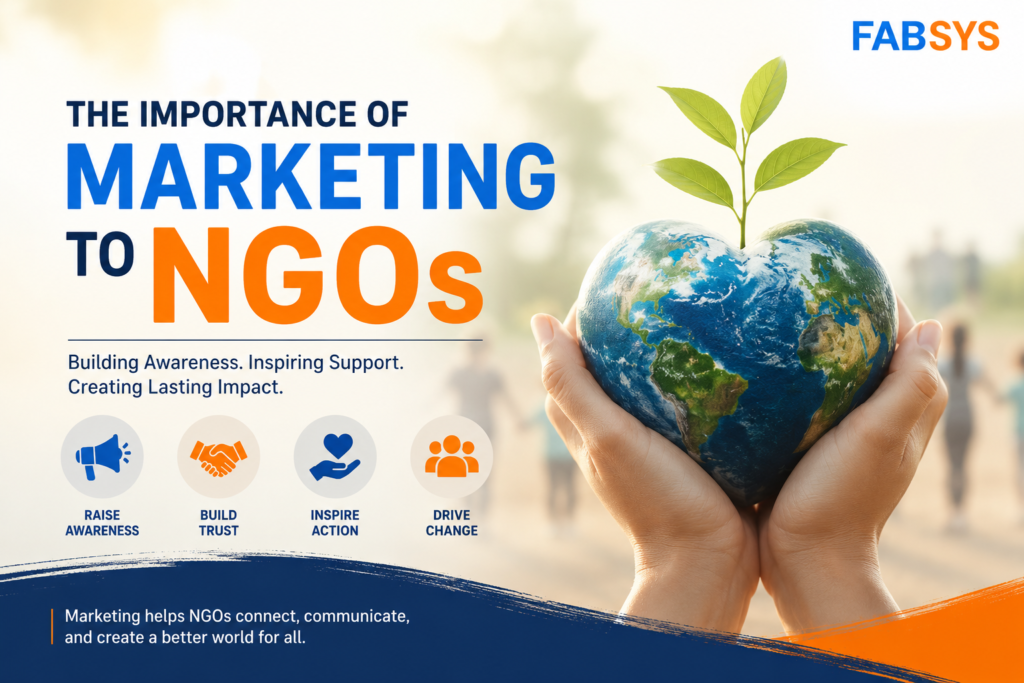
Why Marketing Matters for NGOs
Creating Awareness About the Cause
Many social issues remain invisible because people simply do not know they exist. Marketing helps NGOs educate the public about important causes such as poverty, education, healthcare, environmental conservation, and human rights.
Through social media campaigns, blogs, videos, and community outreach, NGOs can bring attention to critical issues and encourage action.
For example, an environmental NGO can use digital campaigns to educate communities about plastic pollution and inspire sustainable practices.
Building Trust and Credibility
People are more likely to support organizations they trust. Consistent marketing helps NGOs demonstrate transparency, showcase achievements, and communicate how donations are used.
Sharing success stories, impact reports, beneficiary testimonials, and project updates helps build confidence among donors, volunteers, and stakeholders.
Increasing Fundraising Opportunities
Fundraising is the lifeblood of most NGOs. Effective marketing enables organizations to reach potential donors and inspire contributions.
Channels such as social media advertising, email campaigns, website content, video storytelling, and influencer partnerships can significantly improve fundraising results.
A compelling story often motivates donors more than statistics alone.
Attracting Volunteers and Supporters
Volunteers play a critical role in helping NGOs achieve their mission. Marketing helps organizations connect with individuals who are passionate about their cause.
By highlighting volunteer experiences and community impact, NGOs can attract skilled professionals, students, and community members willing to contribute their time and expertise.
Strengthening Community Engagement
Marketing creates a two-way conversation between NGOs and the communities they serve. It encourages participation, feedback, and collaboration.
Strong engagement helps NGOs understand community needs, improve programs, foster long-term relationships, and create local advocates.
Securing Corporate Partnerships
Businesses increasingly seek partnerships with organizations that align with their Corporate Social Responsibility (CSR) goals.
A strong marketing presence demonstrates professionalism and impact, making NGOs more attractive partners for corporate sponsorships, CSR initiatives, employee volunteer programs, and cause-marketing campaigns.
Enhancing Advocacy Efforts
Many NGOs work to influence public policy and social behavior. Marketing helps amplify advocacy campaigns and mobilize supporters.
Digital platforms allow NGOs to share petitions, organize events, raise awareness, and encourage civic participation.
A well-executed campaign can influence decision-makers and create lasting change.
Effective Digital Marketing Strategies for NGOs
Social Media Marketing
Use platforms such as Facebook, Instagram, LinkedIn, YouTube, and X to engage supporters and share success stories.
Content Marketing
Publish blogs, case studies, videos, and educational resources that highlight the organization’s work and impact.
Email Marketing
Maintain regular communication with donors, volunteers, and stakeholders through newsletters and campaign updates.
Search Engine Optimization (SEO)
Optimize website content to help people find information about the NGO through search engines.
Storytelling
Share real-life stories of beneficiaries and volunteers to create emotional connections with audiences.
Challenges NGOs Face Without Marketing
Organizations that lack a marketing strategy often struggle with low public awareness, limited donations, difficulty recruiting volunteers, weak stakeholder engagement, reduced program visibility, and missed partnership opportunities.
Even NGOs doing excellent work can fail to achieve their full potential if their message does not reach the right audience.
Conclusion
Marketing is no longer optional for NGOs. It is an essential tool for increasing awareness, attracting donors, engaging volunteers, building trust, and expanding impact.
By investing in strategic marketing efforts, NGOs can reach more people, secure greater support, and create lasting social change. In a world filled with competing messages, marketing ensures that important causes are heard, understood, and supported. For NGOs, marketing is not about selling. It is about inspiring action and transforming lives.